Urgent Deployment of National Digital Management System for Healthcare Activities
Vietnam's Ministry of Health Accelerates Digital Transformation to Standardize and Enhance Transparency in Medical Practice Records
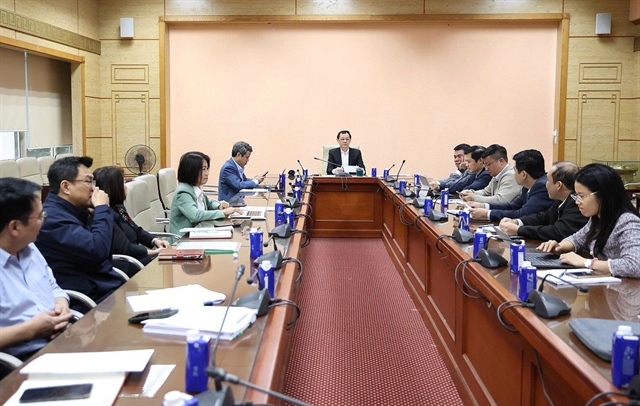
The Vietnamese Ministry of Health (MoH) is urgently deploying the National Management System for Medical Practice and Examination and Treatment (MET) Activities. This initiative is identified as a key task to concretize the Government’s major digital transformation policies, aiming to build synchronized and interconnected data infrastructure across the healthcare sector.
Context and Need for Transformation:
According to the Department of Medical Examination and Treatment Administration (META), the past management of medical practice and MET activities showed several shortcomings. Data was often scattered, updated manually, and lacked synchronization, making it difficult to monitor changes in personnel and the professional scope of practice for practitioners.
System Objectives and Benefits:
The new system is expected to be a major turning point, bringing standardization and transparency to data management:
-
Unified Digital Profiles: Every practicing individual will possess a unified, complete, updated, and verified digital profile.
-
Standardized Data Repository: Every MET facility will establish a standardized data repository.
-
“Clean” Data Source: The entire sector will gain a source of “accurate – sufficient – clean – live” information to facilitate management and administration.
-
Ecosystem Interconnection: The system will connect with the National Population Database and aims for integration on the VNeID platform, creating an essential foundation for building a comprehensive digital ecosystem in healthcare.
Deployment and Training:
During the system training conference, META representatives provided an overview of the legal basis, objectives, and requirements for system deployment. They offered specific instructions on how to log in, update data, and operate accounts for both MET facilities and individual practitioners, ensuring that facilities and individual practitioners can implement the system immediately after the training.